Introduktion
Inom sektorerna för kommersiella fordon, mobila maskiner och tung utrustning utanför motorvägar dikterar maskinens drifttid köparens lönsamhet. Ett fel i en hydraulisk riktningsventilspoltätning eller en tryckavlastningsinställningsdrift på en jordbruksskördare kan stoppa skörden, vilket kostar tusentals dollar per timme i driftsförluster. För tillverkare av originalutrustning (OEM) är det viktigt att köpa hydrauliska komponenter byggda enligt kvalitetsstandarder för bilar för att förhindra garantianspråk och bevara marknadens rykte.
Även om ISO 9001 tillhandahåller ett grundläggande ramverk för allmän kvalitetsledning,IATF 16949representerar toppen av internationella kvalitetsstandarder. Denna standard, som utvecklats av International Automotive Task Force (IATF), tvingar fram kontinuerliga förbättringar, förebyggande av defekter och minskning av variationer och slöseri i fordonsförsörjningskedjan.
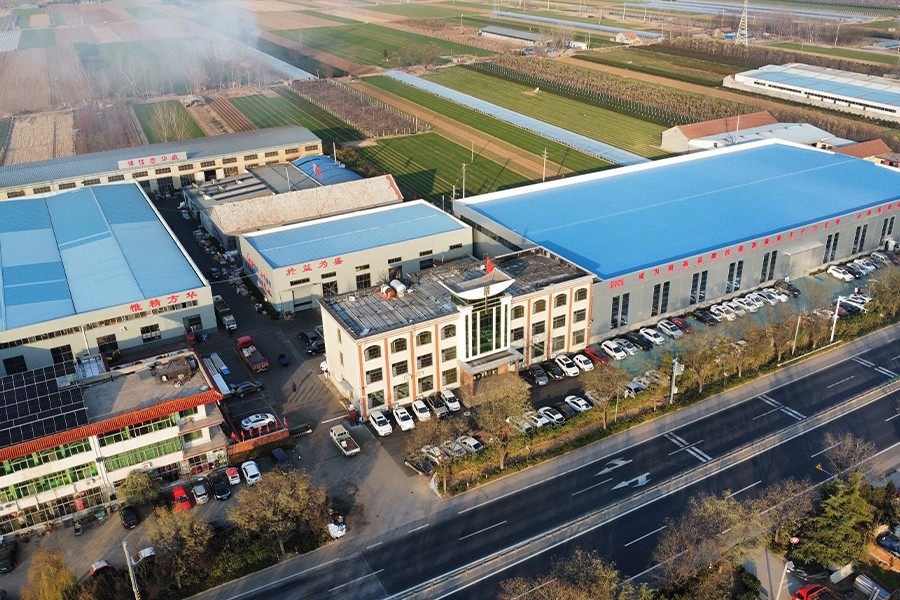
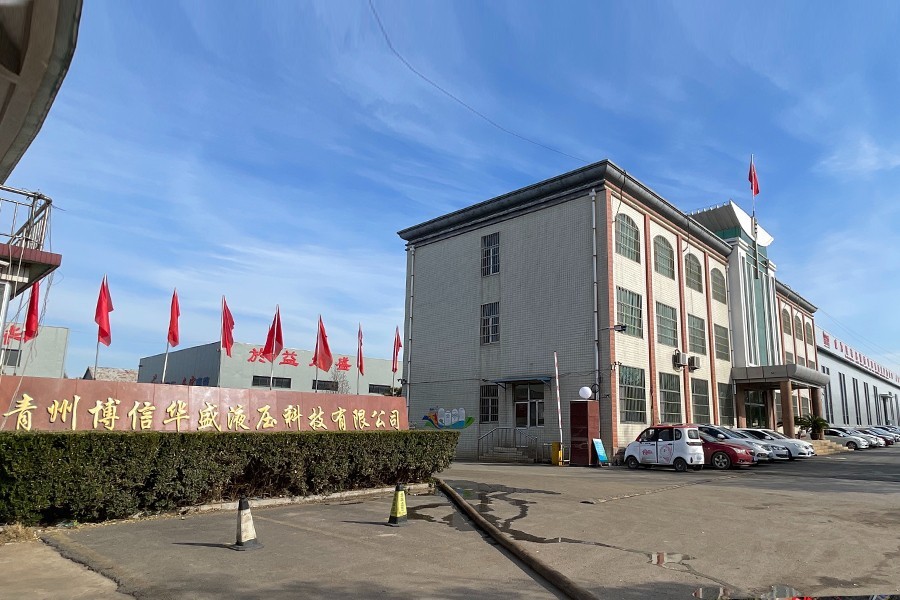
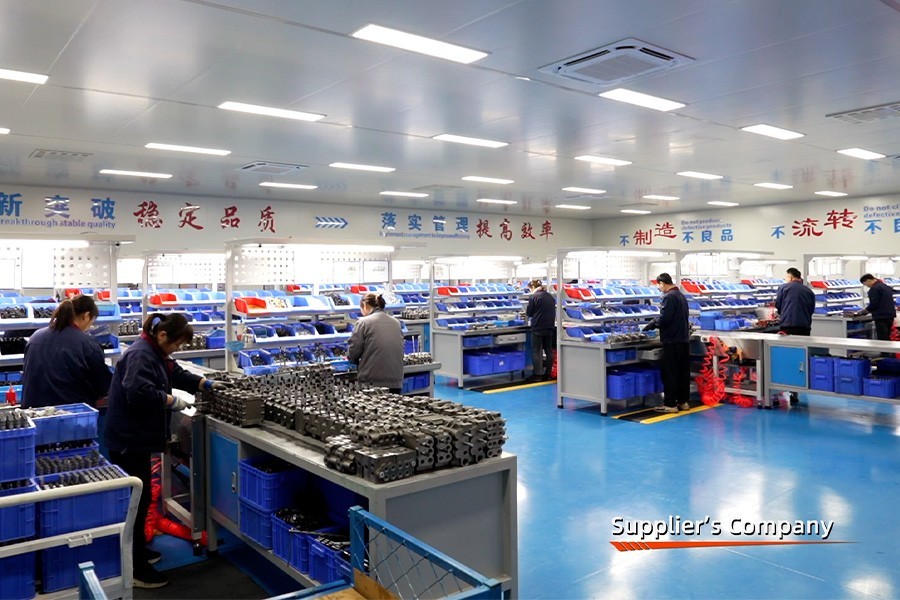
På Boxinhuasheng Hydraulic Technology Co., Ltd. har vi fullt inbäddade IATF 16949-standarder på vårt 68 000 m² stora tillverkningscampus, fyra produktionsanläggningar och 30+ monteringslinjer. Med stöd av 35 seniora hydraulingenjörer och mer än 25 års produktionsexpertis, betjänar vår kapacitet på 1,5 miljoner årliga enheter krävande globala köpare i över 80 länder.
Den här artikeln undersöker hur IATF 16949-principerna styr tillverkningen av hydrauliska komponenter i Boxinhuasheng, och beskriver fem kärnverktyg för fordonskvalitet och deras praktiska tillämpning vid tillverkning av precisionsventiler och pumpar.
ISO 9001 vs. IATF 16949: Bilkvalitetsfördelen
Många industriella tillverkare arbetar enbart enligt ISO 9001-standarder. ISO 9001 fokuserar dock främst på dokumenterad efterlevnad av procedurer. Däremot kräver IATF 16949 strikta operativa prestandamått, riskreducering och förebyggande av systemiska defekter.
+--------------------------------------------------------------------------------+
|                    ISO 9001 VS. JÄMFÖRELSE IATF 16949 |
+----------------------------+------------------------------+---------------------+
| Kvalitetsdimension | ISO 9001 Baslinje | IATF 16949 Automotive|
+----------------------------+------------------------------+---------------------+
| Core Mindset | Processefterlevnad | Defektförebyggande |
| Riskhantering | Riskbedömning på hög nivå | Rigorös FMEA & APQP|
| Leverantörshantering | Leverantörsutvärdering | Kaskadkvalitet |
| Kundspecifika specifikationer | Grundläggande orderjustering | Fullständig PPAP & kontroll |
| Inspektionskrav | Provtagning godtagbar | 100 % funktionstest |
+----------------------------+------------------------------+---------------------+
Applicering av IATF 16949 på hydrauliska komponenter säkerställer att ventilspol-till-hålspel (hålls inom 0,002 mm), tryckinställningar för övertrycksventiler och ytfinish (Ra)< 0.2 µm) remain consistently stable across high-volume production runs.
Implementering av de 5 kärnverktygen för fordonskvalitet
Boxinhuasheng integrerar de fem kärnverktygen för fordonskvalitet i varje hydraulisk tillverkningskontrakt:
#### 1. Avancerad produktkvalitetsplanering (APQP)
Före massproduktion samarbetar vårt ingenjörsteam med OEM-kunder genom en 5-fas APQP-process:
- Begreppsdefinition och programomfattning.
- Produktdesign och teknisk validering.
- Processdesign och tillverkning av arbetsflödesutveckling.
- Provproduktionskörning och verifiering av processkapacitet ($P_{pk} \ge 1,67$).
- Massproduktionsfeedback och ständiga förbättringar.
#### 2. Analys av felläge och effekter (FMEA)
Potentiella fellägen identifieras systematiskt och riskrankas med hjälp av Risk Priority Numbers (RPN):
- Process FMEA (PFMEA): Analyserar bearbetnings-, honing-, rengörings-, vridmoment- och testoperationer för att eliminera potentiella felkällor innan verktyget slutförs.
#### 3. Production Part Approval Process (PPAP)
För OEM-projekt skickar Boxinhuasheng in fullständiga nivå 3 PPAP-dokumentationspaket, inklusive:
- Dimensionell inspektion layout rapporter.
- Materialprovningscertifikat (spektralanalys av segjärnsgjutgods).
- Gage Repeterbarhet och Reproducerbarhet (Gage R&R) studier.
- Process Capability Analysis ($C_{pk} \ge 1,33$ för kritiska dimensioner).
- Inledande provinspektionsrapporter (ISIR) och masterprover.
#### 4. Statistisk processkontroll (SPC)
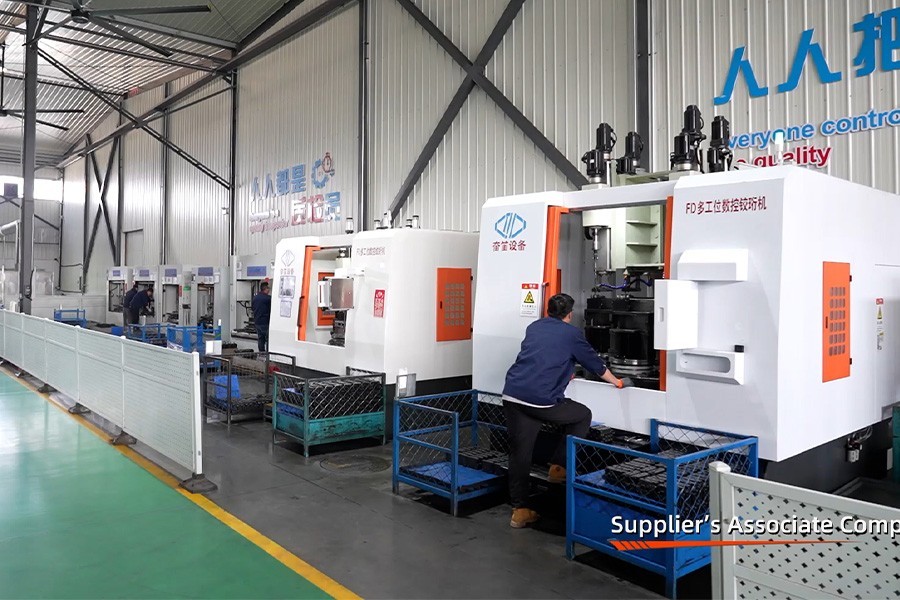
Kritiska dimensioner – som spolhålets rundhet och övertrycksventilens kavitetskoncentricitet – övervakas i realtid med hjälp av automatiserad SPC-mjukvara integrerad i våra 260+ CNC-maskiner. När processparametrar visar mindre statistisk avvikelse, justerar automatiserade verktygsoffset dimensioner innan delar som inte är specificerade skapas.
#### 5. Analys av mätsystem (MSA)
Mätverktyg är bara så bra som deras kalibreringsstabilitet. Vårt metrologilabb utför regelbundna Gage R&R-studier på alla luftmätningsenheter, mikrometrar, CMM:er och digitala tryckgivare över våra 30+ testbänkar, och bibehåller mätvariationen under 10 % av den totala toleransbandbredden.
Praktisk användning: Nolldefekt ventil & pumpproduktion
För att illustrera IATF 16949 i praktiken, överväg tillverkningen av en högtrycks monoblock riktningsventil klassad för 31,5 MPa:
Rågjutning (duktilt järn QT500-7) ──► Spektral- och CMM-inspektion
                                            │
CNC fleraxligt fräspass ──► SPC pågående kontroll
                                            │
Vertikal diamantslipning ──► Kontroll av luftmätare (2 µm gräns)
                                            │
5-stegs ultraljudstvätt ──► ISO 4406 renhetsrevision
                                            │
Renrumsmonteringsfack ──► Digital vridmoment-vinkelmutter
                                            │
100 % arbetsbelastningssimuleringstestning ──► Loggade tryck- och flödesdata- Precisionsbearbetning & honing: Borrhålets dimensioner kontrolleras via luftmätning i realtid, vilket bibehåller borrhålets cylindricitet inom 2 mikron.
- Eliminering av ultraljudskontamination: Komponenter passerar genom 5-stegs ultraljudstvätt med lösningsmedel för att uppnå ISO 4406 renhetskod 16/14/11.
- 100 % arbetsbelastningstestning: Varje färdig ventil genomgår automatisk end-of-line-testning på en av våra 30+ testbänkar, utvärderar provtryck, internt läckage, slidkraft och avlastningsinställningsnoggrannhet.
Strategiskt värde för OEM-köpare
Att köpa IATF 16949-certifierade hydrauliska komponenter från Boxinhuasheng ger betydande kommersiella fördelar för utrustningsbyggare i nivå 1:
- Lägre garantikostnader: Förebyggande av defekter av fordonskvalitet minskar avsevärt fältfel och administrationskostnader för garantin.
- Sömlös PPAP-integration: Komplett PPAP nivå 3-dokumentation effektiviserar interna OEM-teknikgodkännanden.
- Långsiktig leveransstabilitet: Standardiserade processkontroller säkerställer att ventilprestanda på batch 1 000 matchar batch 1 exakt.
- Global Sourcing Confidence: IATF 16949-certifiering i kombination med SGS-fabriksrevisioner säkerställer överensstämmelse med nordamerikanska och europeiska OEM-upphandlingsstandarder.
Slutsats
IATF 16949 är mer än ett kvalitetscertifikat; det är en operativ disciplin som styr alla bearbetnings-, slipnings-, monterings- och testprocesser hos Boxinhuasheng Hydraulic Technology Co., Ltd. Backats upp av 25+ års tillverkningserfarenhet, 35 senioringenjörer, 4 anläggningar och 1,5 miljoner årlig enhetskapacitet, förser Boxinhuasheng globala OEM-tillverkare, växellådor, hydrauliska pumpkomponenter, växelpumpar och växelpumpar.
För att begära PPAP-dokumentation, IATF 16949-certifikat eller teknisk ingenjörssupport, besökwww.chinesehydraulic.com.