Introduktion
I den globala sektorn för tillverkning av tung utrustning – som omfattar jordbruksmaskiner, entreprenadutrustning, kommersiella fordon och materialhanteringssystem – representerar hydrauliska komponenter högriskförsörjningsartiklar med kritisk väg. En enda försenad leverans av hydrauliska riktningsventiler eller kugghjulspumpar kan stoppa en hel fordonsmonteringslinje, vilket kostar OEM-tillverkare tiotusentals dollar per timme i tomgångsarbete från fabriken och försenade kundleveranser. Dessutom skadar en kvalitetsdefekt på fältet i ett hydrauliskt ventilhus eller en spoltätning varumärkeskapitalet och medför kostsam garantiadministration.
För att minska riskerna i leveranskedjan tillämpar internationella tillverkare av originalutrustning (OEM) stränga ramverk för kvalificering av leverantörer. Inköpsansvariga ser långt bortom enkla styckprisofferter; de utvärderar tillverkningsskala, internt CNC-bearbetningsdjup, kvalitetsstyrning av fordonskvalitet (IATF 16949), dokumentation för produktionsdelgodkännandeprocess (PPAP), tredjeparts fabriksverifiering och årlig produktionsbuffertkapacitet.
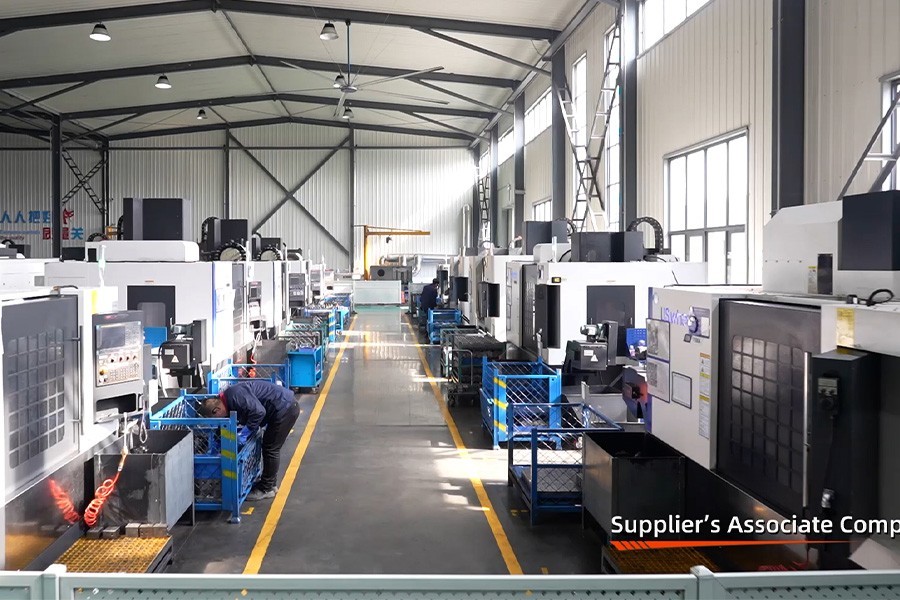
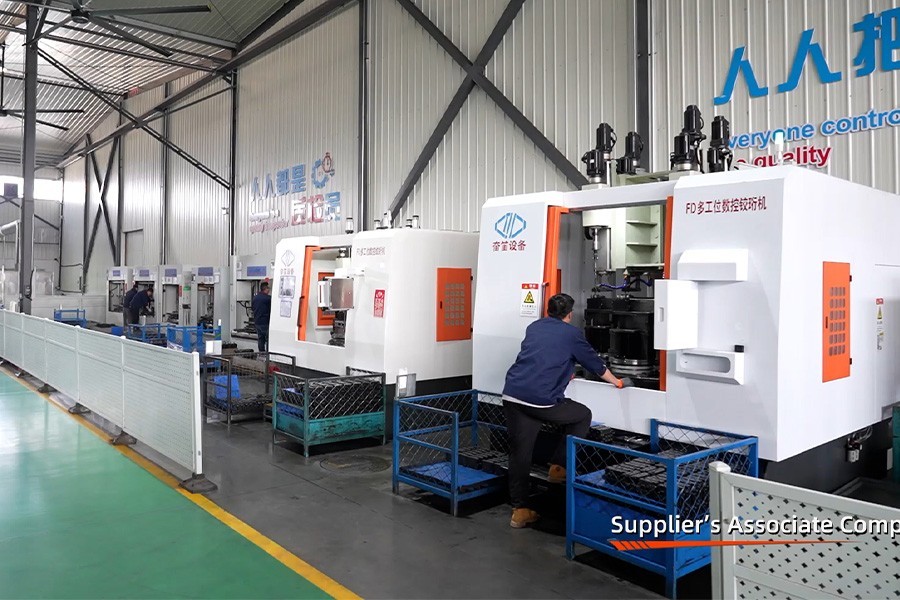
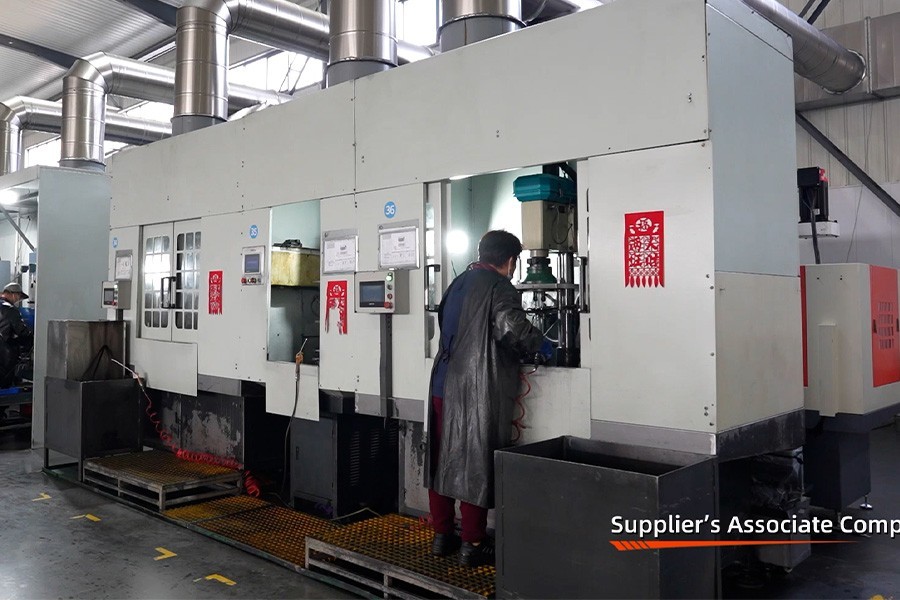
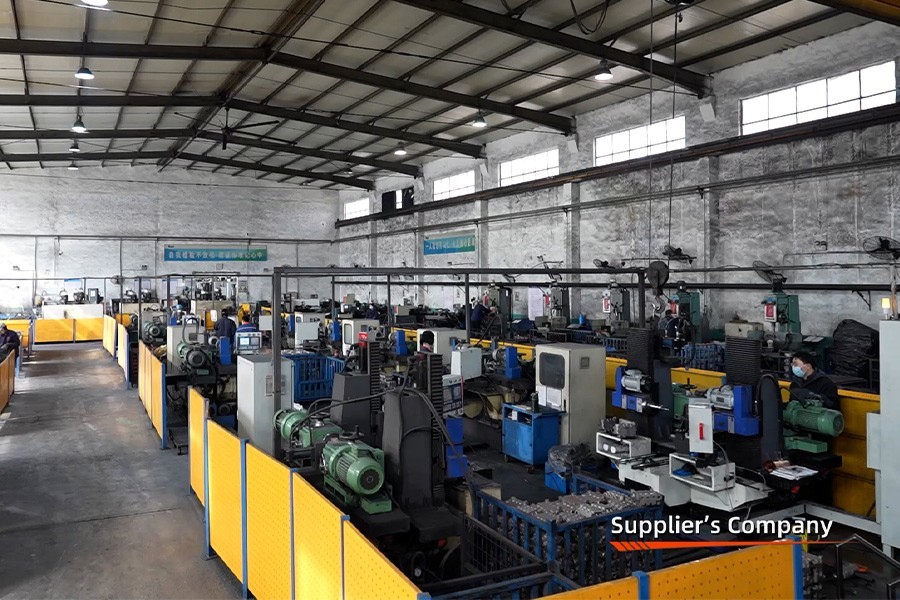
På Boxinhuasheng Hydraulic Technology Co., Ltd. har vi ägnat över 25 år åt att bygga en robust global försörjningsinfrastruktur. Boxinhuasheng arbetar från vårt 68 000 m² stora tillverkningscampus i Qingzhou, Kina, och omfattar fyra moderna produktionsanläggningar utrustade med 260+ avancerade CNC-maskiner, 30+ monteringslinjer och 30+ automatiserade testbänkar. Med en årlig kapacitet på 1,5 miljoner enheter och fullständig SGS-fabriksrevisionsverifiering, betjänar Boxinhuasheng utrustnings-OEM:er över 80+ länder, och integreras i Fortune 500-utrustningens leveranskedjor.
Den här artikeln beskriver fem kärnkrav för leveranskedjan som globala OEM-tillverkare tillämpar när de kvalificerar leverantörer av hydrauliska komponenter.
Krav 1: Kvalitetshantering i fordonsindustrin (IATF 16949 & PPAP nivå 3)
Medan allmänna industriella leverantörer arbetar enligt ISO 9001-standarder, kräver OEM-tillverkare av större utrustning att leverantörer agerar underIATF 16949— den internationella standarden för kvalitetsstyrning för fordon.
┌──────────────────────────── ────────────────────────────┐
                  │ IATF 16949 OEM-KVALIFIKATIONSKRAV │
                  └───────────────────────────┬ ────────────────────────────┘
                                              │
         ┌────────────────────── ────────┬─────┴───────── ───────────────┬─────── ───────────────────────┐
         ▼ ▼ ▼ ▼
┌──────────────────┐ ┌──────────────────┐ ┌──────────────────┐ ┌──────────────────┐
│ Avancerad produkt │ │ Process FMEA │ │ PPAP nivå 3 │ │ Mätare R&R & SPC │
│ Kvalitet (APQP) │ │ Riskreducering │ │ Dokumentation │ │ Processstudier │
└──────────────────┘ └──────────────────┘ └──────────────────┘ └──────────────────┘
#### PPAP nivå 3-leveranser som krävs av OEM-köpare:
- Full dimensionell inspektionslayout: Dimensionell verifiering över 100 % av blåkopiorna med hjälp av 3D Coordinate Measuring Machines (CMM).
- Materialprovningscertifikat: Optisk emissionsspektrometrianalys som verifierar kemisk sammansättning och mekanisk draghållfasthet (≥ 500 MPa) för segjärnsgjutgods (QT500-7).
- Statistisk processkontroll ($C_{pk}$ Analys): Visar processstabilitet ($C_{pk} \ge 1,33$) för kritiska dimensioner, såsom spolhåls honingdiametrar som hålls inom 0,002 mm (2 mikron).
- Analys av felläge och effekter (PFMEA): Dokumenterad riskbedömning som identifierar potentiella tillverkningsfel och implementerar korrigerande kontroller före massverktyg.
Krav 2: 100 % end-of-line arbetsbelastningssimuleringstestning
Större OEM-tillverkare förbjuder provtagning av statistiska acceptabla kvalitetsgränser (AQL) för hydrauliska komponenter. Eftersom läckage av inre ventilspole eller drift av avlastningsinställningen inte kan detekteras visuellt,100 % end-of-line funktionstestning är obligatorisk.
+--------------------------------------------------------------------------------+
|                  100 % END-OF-LINE SIMULATION TESTPROTOKOLL |
+----------------------+----------------------------------------------------------------+
| Testprocedur | Verifieringsmål |
+----------------------+----------------------------------------------------------------+
| Hydrostatiskt bevistest| 1,5x maximalt arbetstryck (upp till 45 MPa) |
| Internt läckagetest | Digitala mikroflödessensorer mäter läckage (cc/min)|
| Spool Shift Force | Mekanisk / Pneumatisk / Hydraulisk manövrering |
| Avlastningsinställningstest | Öppnings- och återställningstrycknoggrannhet (±2%) |
| Termisk stabilitet | Vätsketemperaturen hålls vid 50°C - 60°C |
+----------------------+----------------------------------------------------------------+
Boxinhuasheng driver30+ dedikerade automatiserade testbänkar, vilket säkerställer att 100 % av färdiga ventiler, pumpar och kraftuttagsenheter genomgår full arbetsbelastningssimuleringstestning med digital serienummerloggning innan paketering.
Krav 3: Skalbar anläggningsinfrastruktur och buffertkapacitet
För att skydda monteringslinjer mot säsongsbetonade efterfrågeökningar (t.ex. toppsäsonger för plantering och skördesäsonger) kräver OEM-tillverkare att leverantörerna upprätthåller fysisk anläggningsbuffertkapacitet.
68 000 m² Plant Campus ──► 4 moderna produktionsanläggningar ──► 260+ CNC-maskiner ──► 1,5 miljoner enheter årlig kapacitet- Undvik flaskhalsar från leverantörer: Leverantörer som arbetar med 95-100 % kapacitetsutnyttjande kan inte absorbera ordertoppar, vilket resulterar i ledtidsinflation. Boxinhuashengs årliga kapacitet på 1,5 miljoner enheter ger infrastruktur skalbarhet för flerårig OEM-volymtillväxt.
- Intern bearbetningskontroll: Drift av intern slipning, CNC-fräsning med flera axlar, 5-stegs ultraljudstvätt och värmebehandlingslinjer eliminerar förseningar vid outsourcing från tredje part.
Krav 4: Tredjepartsverifiering på plats (SGS-verifierad)
Fjärrstyrning av försörjningskedjan kräver oberoende fysisk verifiering från tredje part. OEM-tillverkare litar påSGS fabriksrevisioner på platsför att bekräfta leverantörens legitimitet:
- Fysisk verifiering av markägande och butiksyta (68 000 m² verifierad).
- Fysisk räkning och driftsrevision av maskintillgångar (260+ produktionsmaskiner verifierade).
- Verifiering av personalstyrka (400+ yrkesarbetare, 35 seniora hydraulingenjörer).
- Granskning av internationella exportsedelarkiv (export till 80+ länder bekräftad).
Krav 5: Global Export Packaging och Just-In-Time (JIT) Logistics
Precisionshydrauliska komponenter måste överleva internationell sjötransport utan atmosfärisk korrosion, gängskador eller föroreningar:
- Vapor Corrosion Inhibitor (VCI) Skydd: Komponenterna är oljebehandlade och förseglade inuti kraftiga VCI rostskyddspåsar.
- Kraftiga skyddande portpluggar: Alla vätskeportar (SAE, G, NPT-gängor) är försedda med skyddslock för att bevara den inre gängans integritet och bibehålla ISO 4406-vätskerenheten.
- ISPM 15 Värmebehandlade trälådor: Produkterna packas i förstärkta trälådor byggda för containersjöfart och gaffeltruckhantering.
- Fullständig efterlevnad av tull: Ursprungscertifikat (COO), CE-deklarationer, SGS-revisionsrapporter och fraktsedeldokumentation följer med varje försändelse, vilket underlättar smidig tullklarering i destinationshamnar.
Köparchecklista: OEM Supplier Qualification Scorecard
Innan de tilldelar fleråriga volymproduktionskontrakt till en leverantör av hydrauliska komponenter, bör OEM-inköpsdirektörer utvärdera leverantören mot fem styrkortskriterier:
- [ ]Kvalitetsledning för fordon: Aktiv IATF 16949-certifiering med PPAP Level 3-kapacitet.
- [ ]100 % end-of-line-testning: Dedikerade automatiserade testbänkar som utför 100 % funktionstestning.
- [ ]Internt bearbetningsdjup: Intern kontroll över CNC-fräsning, sub-mikron diamantslipning och rengöring.
- [ ]Oberoende fabriksrevision: Giltig SGS revisionsrapport på plats som bekräftar anläggningens skala och maskinantal.
- [ ]Spårbarhet och exporterfarenhet: Spårning av digitala lotnummer och aktivt exportavtryck i över 80 länder.
Slutsats
För att kvalificera en OEM-leverantör av hydraulik krävs utvärdering av kvalitetsstyrning för fordon (IATF 16949), PPAP-dokumentationsstränghet, 100 % end-of-line arbetsbelastningstestning, skalbar anläggningskapacitet och oberoende granskning från tredje part. Genom att etablera leveranspartnerskap med fullständigt verifierade tillverkningsföretag säkerställer globala maskinbyggare långsiktig leveranssäkerhet, låga garantikostnader och förutsägbar produktionsplanering.
Boxinhuasheng Hydraulic Technology Co., Ltd. ger 25+ års erfarenhet av hydraulisk tillverkning, 35 senioringenjörer, 1,5 miljoner enheter årlig kapacitet, IATF 16949 kvalitetscertifiering och SGS fabriksverifiering för att tjäna globala OEM-tillverkare.
För att begära PPAP-exempeldokumentation, se SGS revisionsrapporter eller få OEM-kontraktsofferter, besökwww.chinesehydraulic.com.